GRC engineering treats compliance like software: controls in version control, evidence pulled from APIs, and continuous testing instead of annual screenshot hunts. Here is what the discipline actually involves.
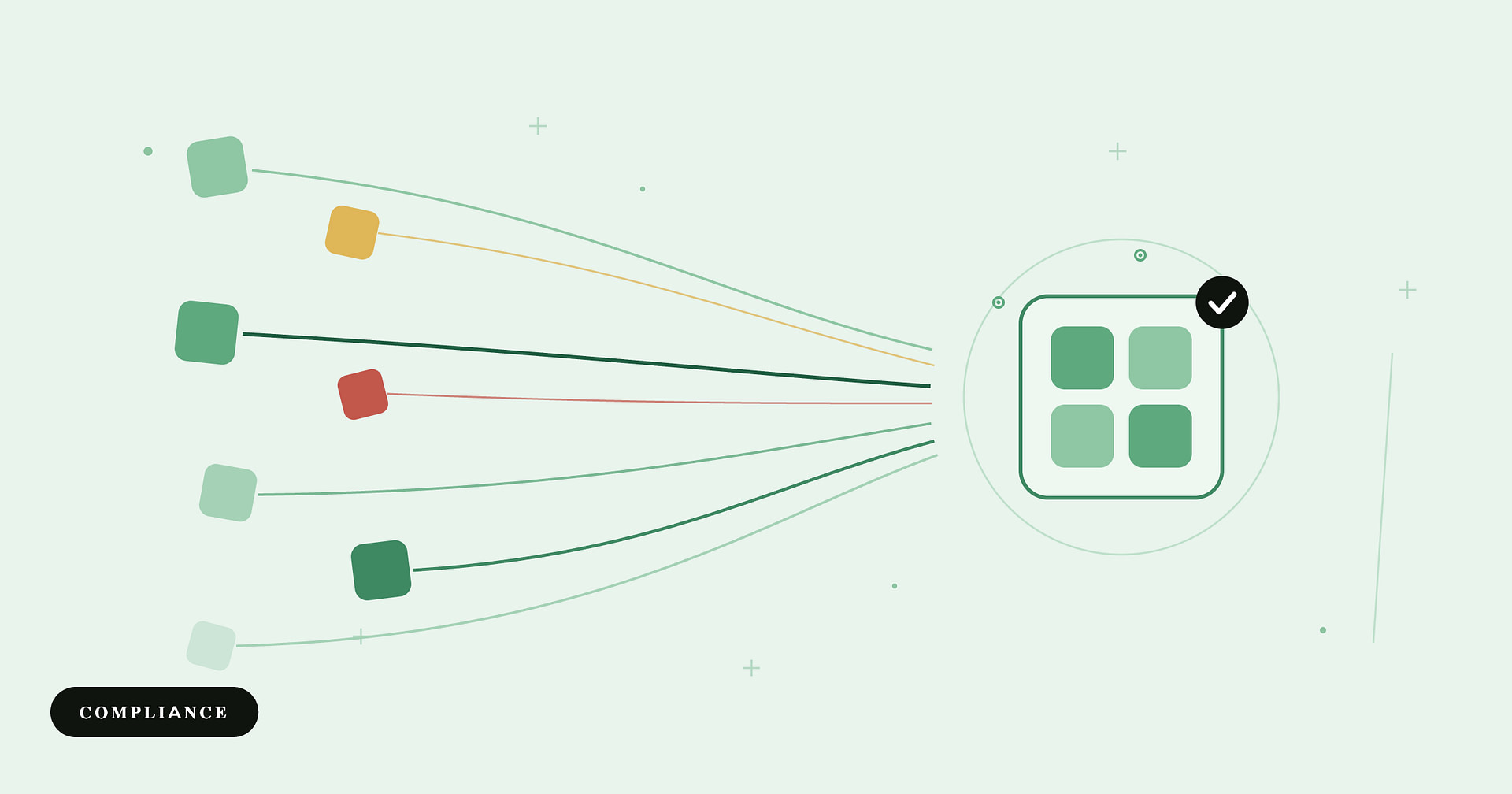
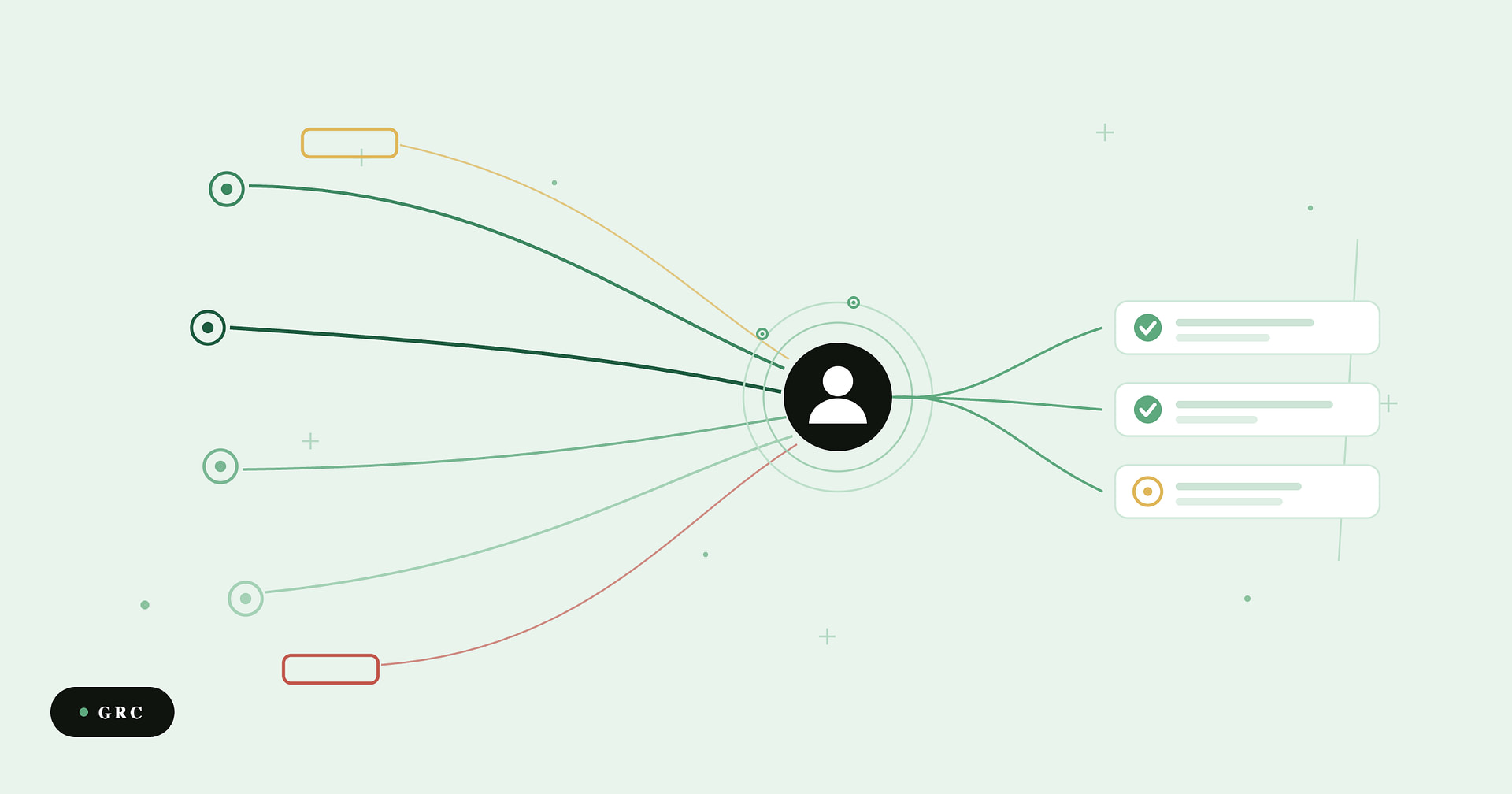
The average enterprise runs 45 security tools, and 60% of teams still manage compliance in spreadsheets. How to evaluate GRC platforms that unify scattered compliance tools.
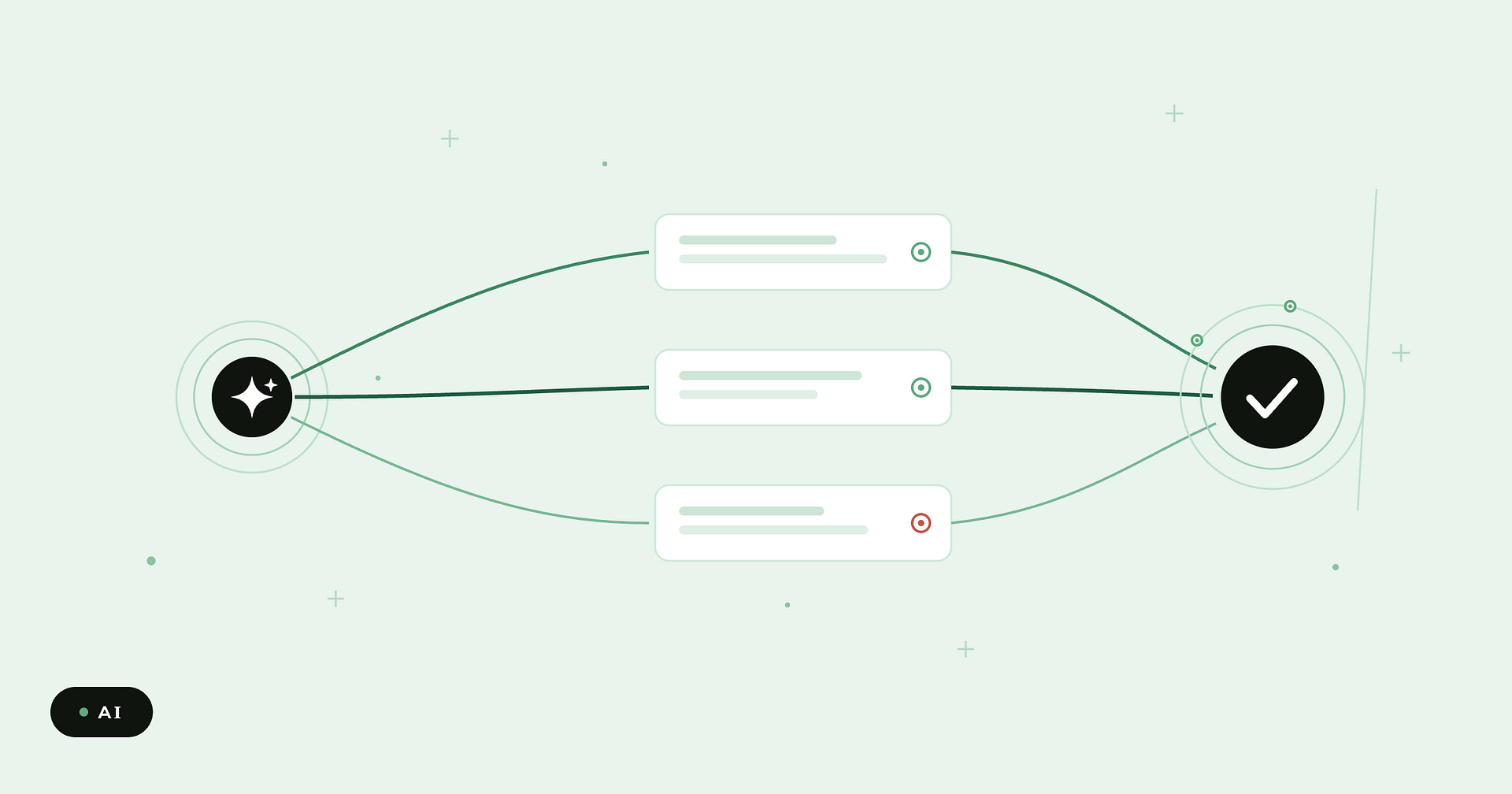
AI-guided compliance actions are tasks an AI prepares — evidence, control mappings, questionnaire answers — that a human reviews and approves. Learn which GRC platforms deliver them.
Understaffed GRC teams manage risk effectively by quantifying risk in dollars, adopting a common controls framework, and using AI-guided automation. See the 7 strategies, with 2026 benchmark data.
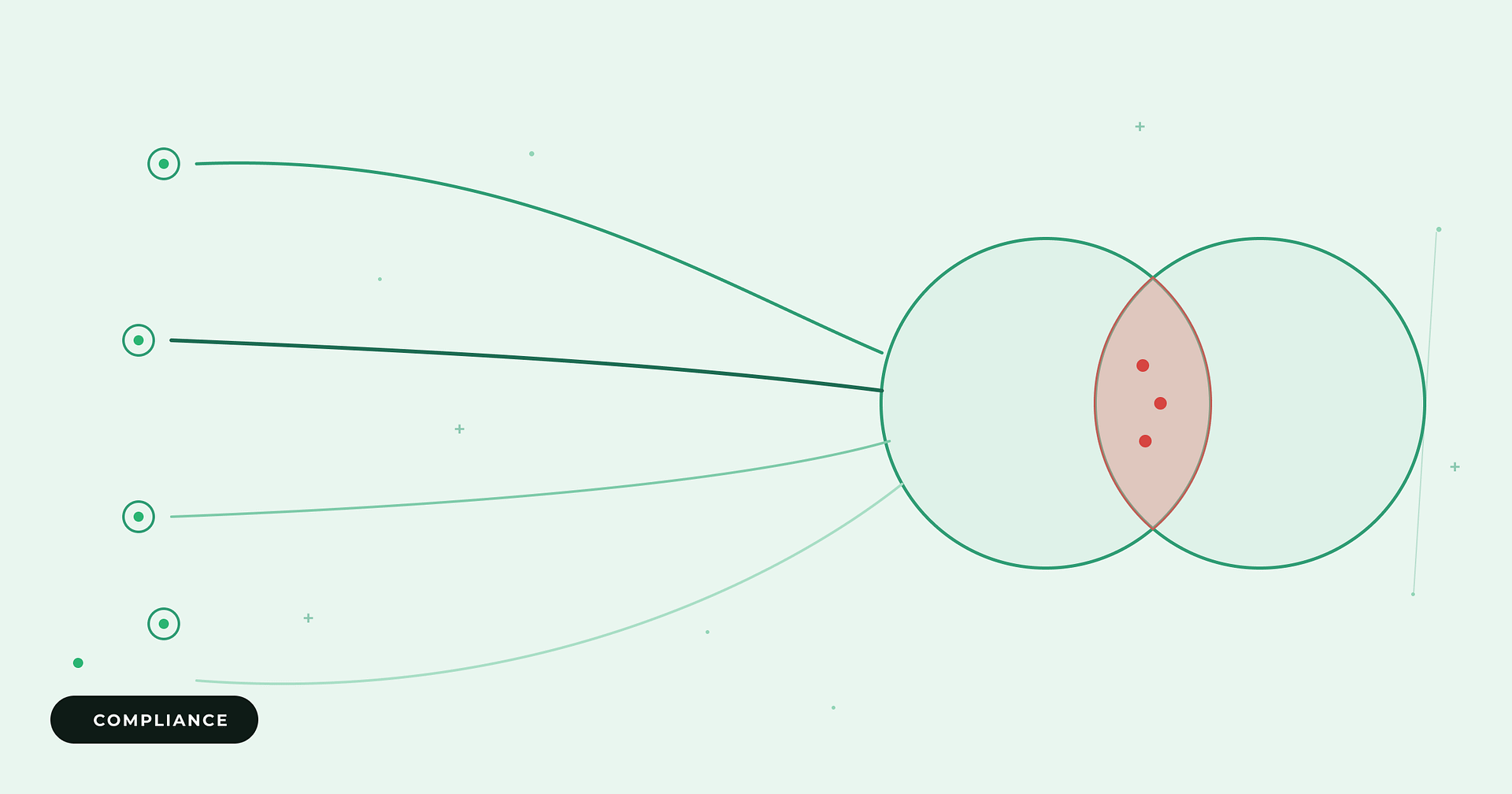
Single-system compliance checks show green checkmarks while real risk hides between tools. Learn why point-in-time, one-system-at-a-time checks miss cross-system risk, and how full-dataset correlation closes the gap.
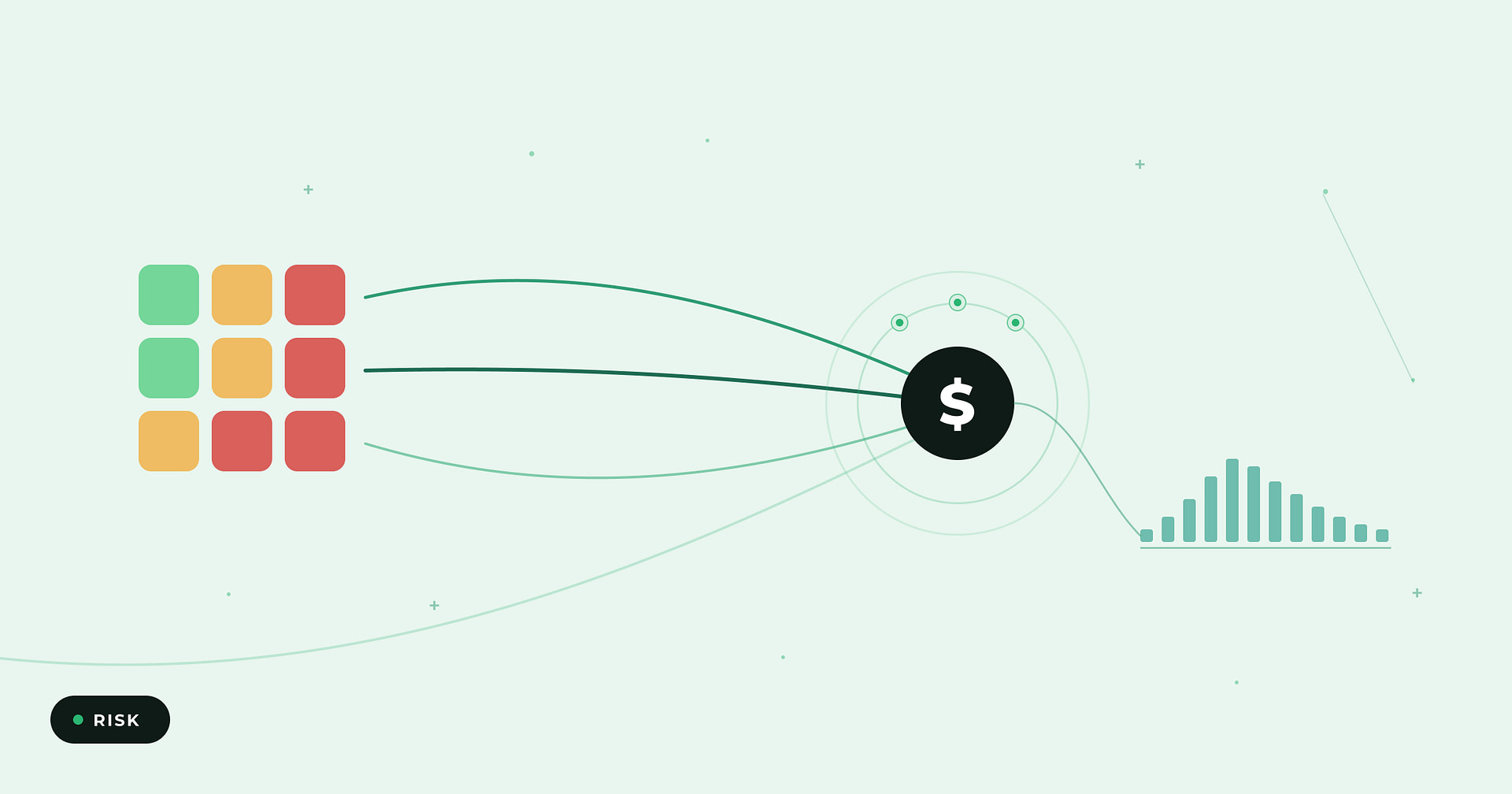
FAIR risk quantification translates cyber risk into dollar figures using loss-event frequency, loss magnitude, and Monte Carlo simulation. Learn how it works and how Compyl automates it.
Annual audits leave a 364-day blind spot. Learn what continuous control monitoring is, how it works, and how to monitor security controls between audits.
Agentic GRC explained: how AI agents automate evidence, monitoring, and risk work while humans approve every consequential decision — with use cases, comparisons, and FAQ.
By clicking “Accept”, you agree to the use of cookies on your device in accordance with our Privacy and Cookie policies