By Compyl Research · Last updated June 2026
Vendor risk management in 2026 has shifted from an annual questionnaire to a continuous discipline — because third parties are now implicated in nearly one in three breaches, and AI has added a new layer of vendor exposure through the models, data, and AI features your suppliers embed. Managing it well means monitoring vendors continuously and governing the AI inside your supply chain.
Key takeaways
- Third-party involvement in breaches doubled to 30% year-over-year (Verizon, 2025) — vendors and software supply chains are now a primary attack path.
- AI changes the risk surface: your vendors’ AI features can process your data, and a “fourth-party” model provider you never contracted with may sit inside their product.
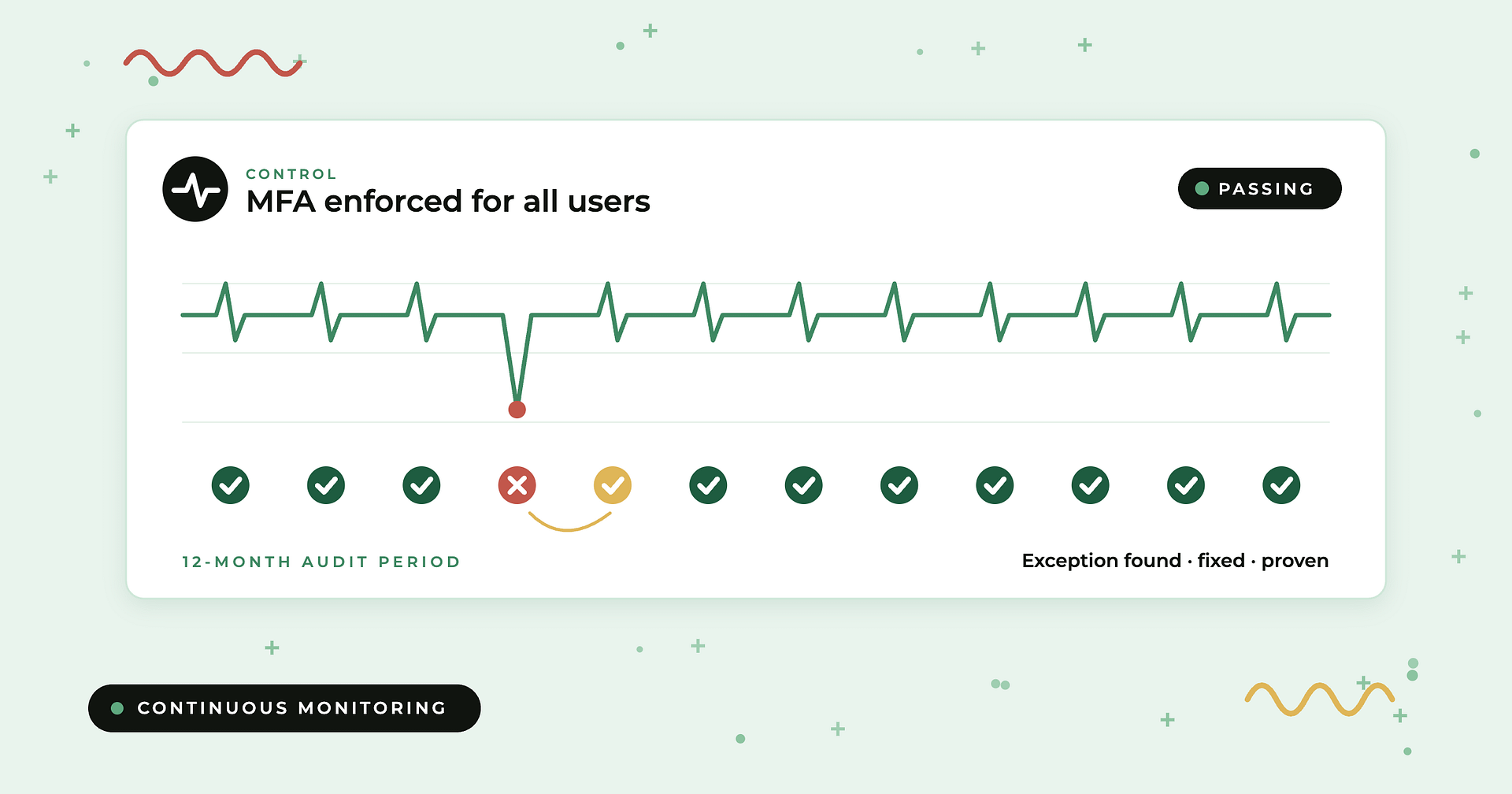
- Point-in-time questionnaires can’t keep up; continuous monitoring is becoming the baseline.
- AI also helps solve the problem — agents can track vendor posture and auto-draft and review assessments.
Why third-party risk exploded
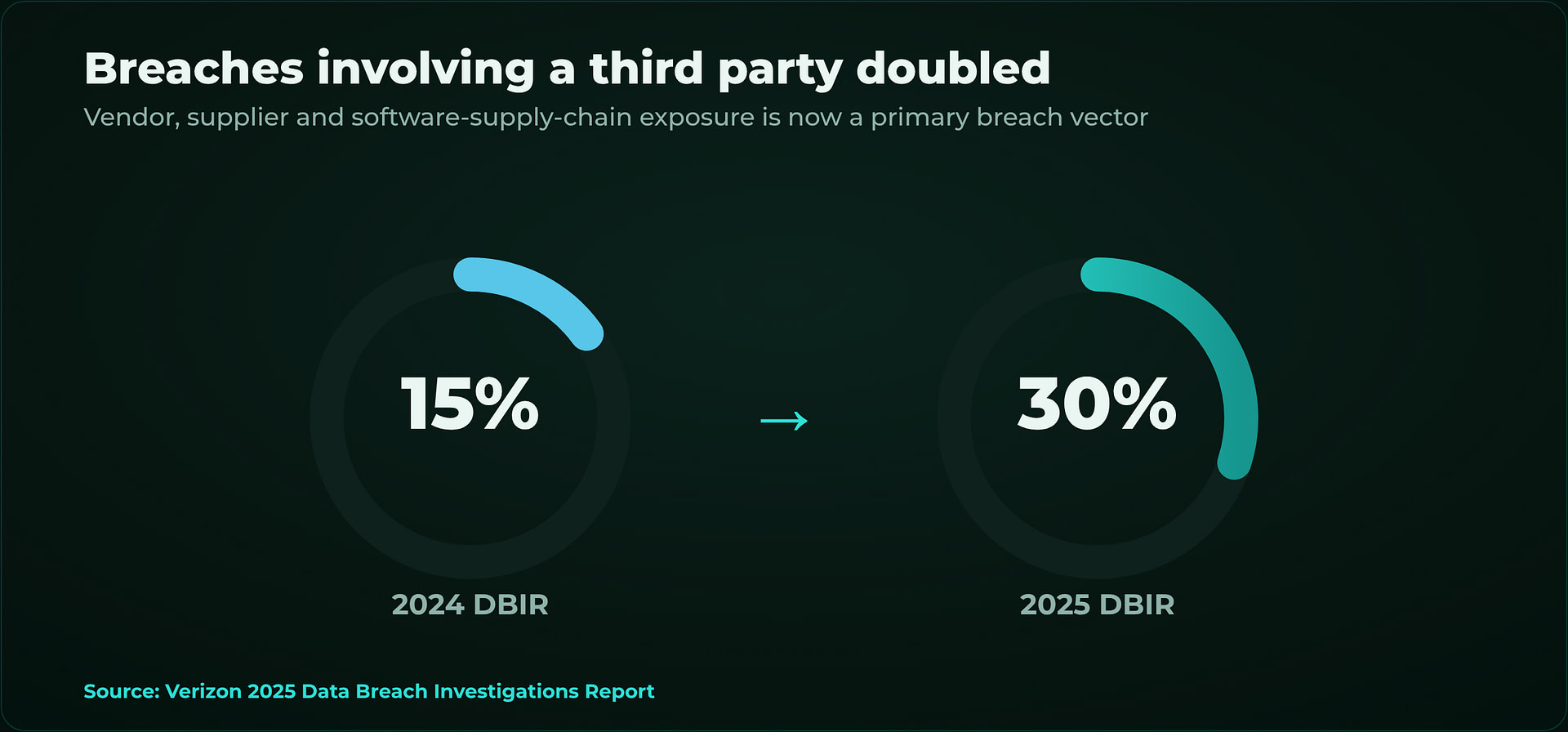
A modern company runs on dozens or hundreds of vendors, each with access to some slice of your data or systems. When third-party breach involvement jumps from 15% to 30% in a single year, it tells you that your security posture is increasingly defined by suppliers you don’t directly control. A vendor questionnaire describes a supplier’s posture on the day they filled it out — not the day they get compromised.
How AI reshapes vendor risk
- AI features in vendor products. When a SaaS tool adds an AI assistant, your data may flow through new models and sub-processors — expanding where it goes and who can see it.
- Fourth-party model risk. Your vendor’s AI may depend on a foundation-model provider you never assessed, extending the chain another link.
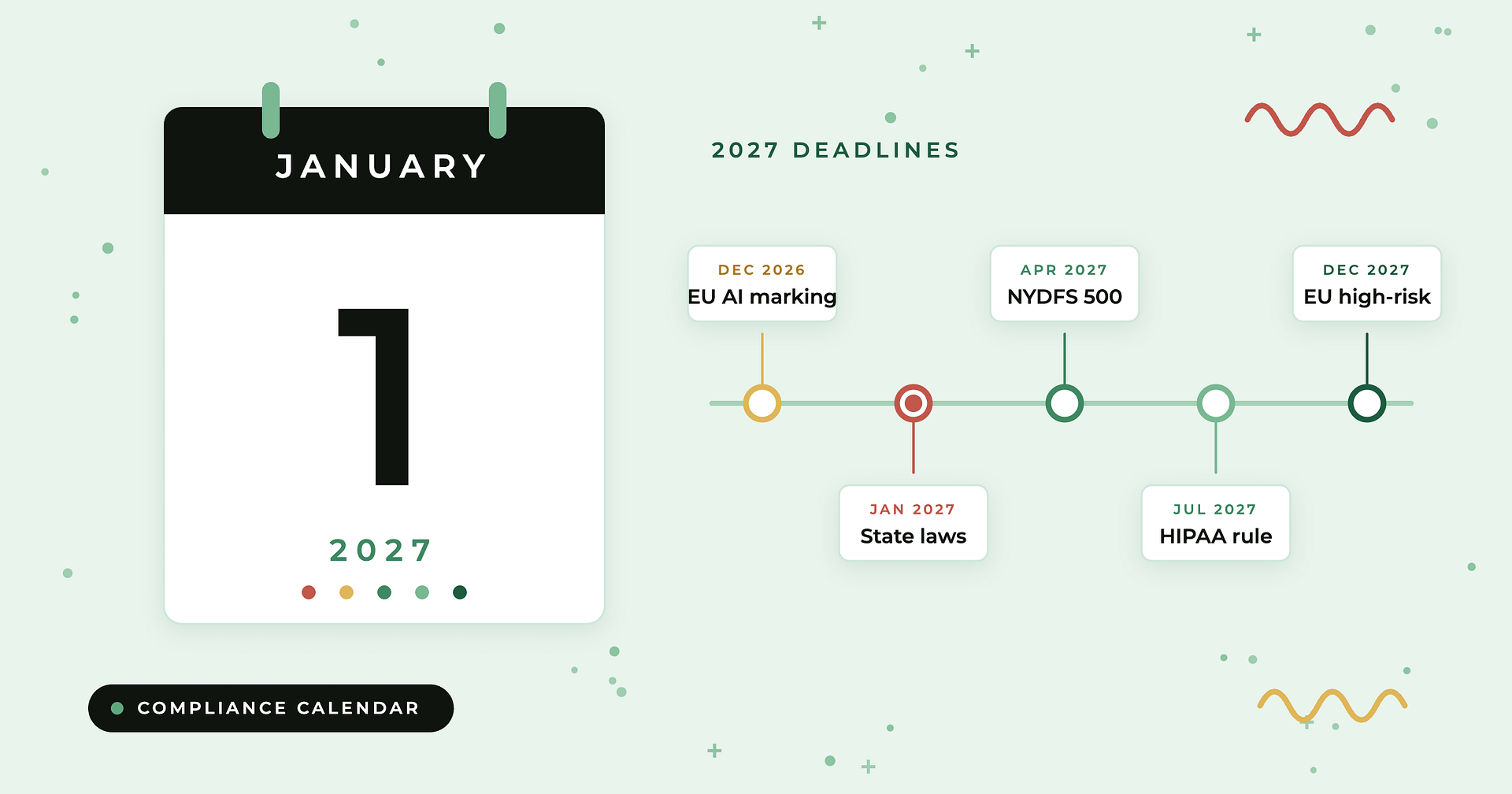
- New governance obligations. Regulations like the EU AI Act assign duties to AI deployers, which can include how you use vendors’ AI — so vendor due diligence now has an AI-governance dimension.
- Faster-moving exposure. AI capabilities ship constantly, so a vendor’s risk profile can change between annual reviews.
A continuous vendor risk program for 2026
- Inventory vendors and data flows — including AI. Know who has access to what, and which vendors process your data with AI or sub-processors.
- Tier by risk. Concentrate effort on vendors with access to sensitive data or critical systems; not every supplier needs the same depth.
- Move from questionnaire to monitoring. Supplement point-in-time assessments with continuous signals on each critical vendor’s posture.
- Add AI-specific due diligence. Ask where data goes, which models and sub-processors are used, how the vendor governs its own AI, and what happens to your data in training.
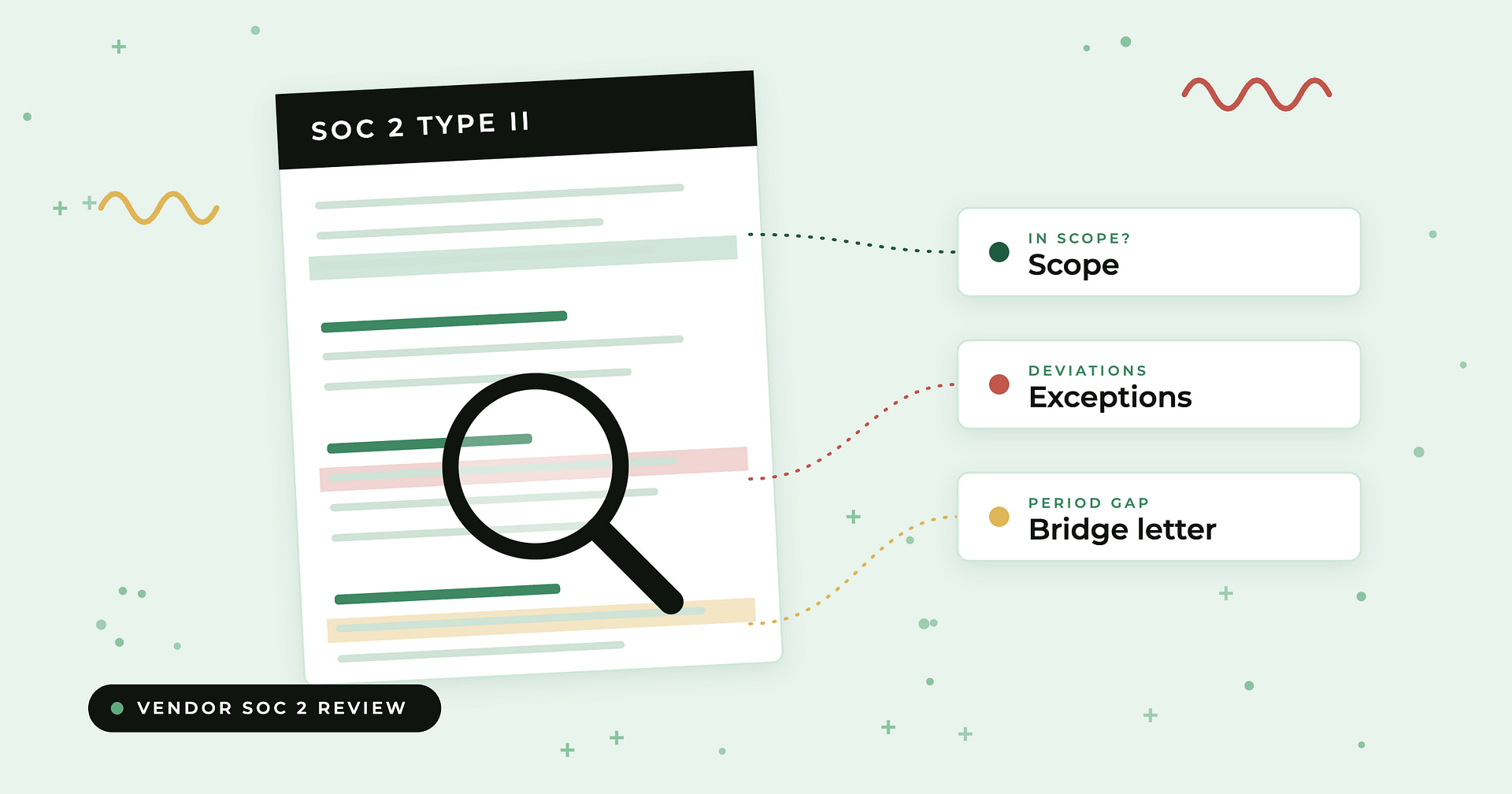
- Map to your frameworks. Connect vendor risk to SOC 2, ISO 27001, and AI-governance requirements so one assessment serves many obligations.
- Use AI to scale it. Let agents track posture changes and draft assessments and reviews — with humans approving risk decisions.
Questions to add to every AI-vendor review
- What data does your AI feature process, and is any of it used to train models?
- Which foundation-model providers or sub-processors are involved?
- How do you govern your own AI (frameworks, human oversight, audit trail)?
- Can we opt out of AI features or data use where needed?
- How will you notify us of material AI or sub-processor changes?
Frequently asked questions
What is vendor risk management?
It’s the process of identifying, assessing, and continuously monitoring the security, privacy, and compliance risks that third-party vendors introduce to your organization.
Why is vendor risk a bigger deal in 2026?
Because third-party involvement in breaches doubled to 30% (Verizon, 2025) and AI has widened the supply-chain attack surface through vendor AI features and the model providers behind them.
How does AI affect third-party risk?
Vendor AI features can route your data through new models and sub-processors, create “fourth-party” dependencies, and trigger AI-governance obligations — all of which need to be assessed as part of vendor due diligence.
Are annual vendor questionnaires still enough?
Rarely. They capture a single moment; continuous monitoring is becoming the baseline so you catch posture changes between reviews.
About this guide. Written by Compyl Research, with data from the Verizon 2025 DBIR. Compyl is an AI-powered, agentic GRC platform built by CISOs that unifies vendor risk with the rest of your GRC program.