Not all ISO 27001 certification bodies are the same, and the one you choose can affect more than just your audit date.
Key Takeaways
- An ISO 27001 certification body is an independent organization that audits your ISMS and issues the certificate if you meet the standard.
- Accreditation gives customers and partners more confidence that your ISO 27001 certificate was issued by a certification body that has been independently reviewed for competence and impartiality.
- Audit scope defines exactly which systems, teams, and processes the certifier will review. A vague scope leads to misdirected preparation and gaps that auditors may flag during Stage 1 or Stage 2.
- When comparing certification providers, look beyond the initial quote. Surveillance audits, travel, and recertification costs are often separate, making the lowest bid a poor measure of total value.
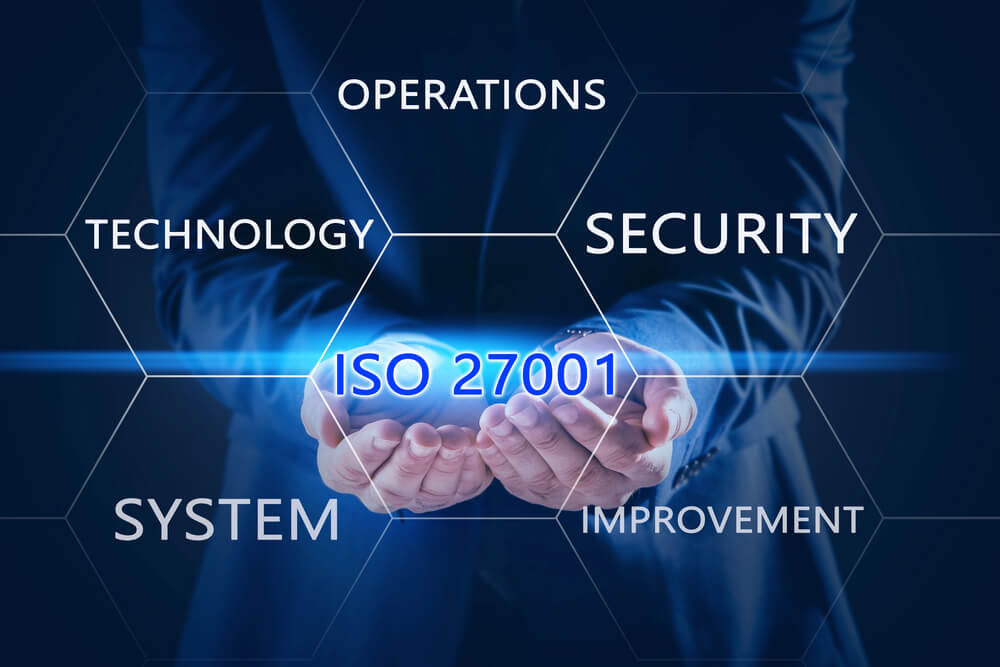
An ISO 27001 certificate can strengthen customer trust, but only when the audit behind it holds up. The right certification body affects how your ISMS is reviewed, how your certificate is received, and how smoothly your team moves through the process. That makes knowing how to choose an ISO 27001 certification body one of the more important decisions a compliance team can make.
What Is an ISO 27001 Certification Body?
An ISO 27001 certification body is an independent organization that audits your information security management system, or ISMS. If your ISMS meets ISO 27001 requirements, the certification body issues your certificate.
ISO doesn’t certify companies directly or issue ISO 27001 certificates. Instead, external certification bodies audit whether your ISMS conforms to ISO/IEC 27001 requirements. That review usually includes a Stage 1 audit, a Stage 2 audit, and ongoing surveillance audits after certification.
Certification Body vs. Consultant
A consultant helps your team prepare for ISO 27001. They may help you review gaps, organize policies, map controls, prepare evidence, and get ready for the audit.
A certification body plays a different role by performing the certification audit and determining whether your ISMS conforms to ISO/IEC 27001 requirements. The same organization should not build your ISMS and then grade its own work.
Certification Body vs. Accreditation Body
A certification body audits companies seeking ISO 27001 certification. An accreditation body reviews certification bodies.
Accreditation provides independent oversight of the certification body. An accreditation body reviews whether the certification body operates with competence, consistency, and impartiality.
How Do You Find an ISO 27001 Certification Body?
You can find an ISO 27001 certification body through accreditation directories, customer requirements, referrals, and direct research.
Search Accredited Certification Directories
Start with accreditation body websites or certification directories that allow you to confirm whether a provider is accredited for ISO 27001. This helps you avoid relying only on marketing claims.
When you search, confirm that the certification body is accredited for ISO 27001 specifically. A company may be accredited for one standard but not another. You should also check whether the accreditation applies in the market where your customers expect recognition.
Ask Which Certificates Your Customers Recognize
Customer expectations should influence your choice. A fintech company selling to banks may face stricter vendor review than a small business seeking certification for internal trust.
Before choosing a certification body, ask key customers or prospects what they expect to see. Some may require an accredited certificate. Others may prefer certificates from well-known ISO 27001 certification companies.
What Should You Look for in ISO 27001 Certification Companies?
Before choosing an ISO 27001 certification body, compare a few providers using the same core criteria. Pay attention to how well each provider understands your industry, explains the audit scope and timeline, and breaks down pricing.
These details can help you choose a certification body that fits your organization’s needs instead of relying only on name recognition or the first quote you receive.
Relevant Industry Experience
When comparing ISO 27001 certification companies, look for one that has experience auditing organizations similar to yours. The certification body needs to understand how information security risks usually show up in your type of business.
For example, a financial services company may want a certification body with experience reviewing access controls, vendor risk, encryption, cloud security, data retention, and regulatory expectations. A software company, healthcare organization, or professional services firm may have different risks and systems to review.
The certification company doesn’t need to know every detail of your business. However, its audit team should understand your environment well enough to ask informed questions, review your ISMS in context, and evaluate whether your controls fit the risks your organization faces.
Clear Audit Scope and Timeline
The certification body should help you understand what the audit will cover. Scope defines which systems, teams, locations, products, and processes are included in certification.
The provider should also explain the timeline. Ask when Stage 1 and Stage 2 audits can happen, how long each audit may take, and when you can expect the final report.
Transparent Pricing and Included Services
When comparing ISO 27001 certification companies, pricing should be clear before you sign. The cost of ISO 27001 certification may include more than the first audit, so ask each provider to explain what’s included in the quote.
Some quotes may cover only the initial certification audit. Others may include or separately charge for surveillance audits, travel, report preparation, auditor time, or recertification planning. Ask whether there are additional costs if the audit takes longer than expected or if your organization needs a follow-up review after nonconformities.
Don’t assume the lowest quote is the best value. A cheaper certification body may have limited availability, unclear communication, or added fees that make the total cost higher later.
Why Is Accreditation Important When Choosing a Certification Body?
Accreditation is important when choosing an ISO 27001 certification body because it provides independent confirmation of the certification body’s competence, impartiality, and audit process. It helps customers, partners, and regulators trust that a qualified organization performed the audit.
Verified Accreditation Status
Always verify accreditation through the relevant accreditation body or recognized directory. You should confirm:
- The certification body’s legal name
- The accreditation body
- The ISO 27001 scope
- The current status
- Any geographic or service limits
This step is especially important if your certificate will support customer contracts, investor due diligence, or regulatory expectations.
Recognition by Customers and Partners
An ISO 27001 certificate is often used to build trust with outside parties. That trust depends partly on whether customers recognize the certification body.
A certificate from a well-known accredited provider may move more smoothly through vendor reviews. A certificate from an unknown or non-accredited provider may lead to more questions.
Accredited vs. Non-Accredited Certificates
A non-accredited certificate may still show that an audit occurred, but it may not carry the same level of third-party assurance in customer, partner, or regulatory reviews. Some customers may accept it, while others may reject it or ask for another audit from an accredited body.
Accreditation is about confidence in the audit process. For companies in financial services, fintech, banking, or other regulated markets, accredited certification is usually the safer choice.
How Can Compyl Help You Prepare for ISO 27001 Certification?

Compyl helps organizations prepare for ISO 27001 certification by bringing security, compliance, evidence collection, and control management into one organized workflow. While Compyl isn’t a certification body and doesn’t replace an independent audit, it helps your team stay ready for the certification process.
Choosing a certification body is easier when your ISMS is organized, your documentation is current, and your team can quickly show how controls are being managed. If your organization wants to simplify ISO 27001 certification, Compyl can help reduce manual work, improve visibility, and keep your compliance program moving before, during, and after the audit.
Schedule a demo to see how Compyl can help your team prepare for ISO 27001 certification with less confusion and more control.